





"Sustainable" is one of those words that's everywhere.
It's on product labels, websites, packaging and Instagram posts. The trouble is, it can mean a hundred different things depending on who's using it.
At Keep + Kind, we're careful about using the word ourselves. It's a term that gets thrown around a lot, and often without much explanation of what it actually means.
No brand is perfect. We're certainly not. But we do believe there are brands trying harder, asking better questions, and making more thoughtful decisions about how their products are made.
So if you're trying to shop more consciously, what should you actually be looking for?
Here Keep + Kind founder Sam Carman shares the things she pays attention to when deciding whether a brand belongs in our edit.

1. Start with the materials
The materials used in accessories can tell you a lot about how a product has been made.
That doesn't automatically mean one material is "good" and another is "bad". Instead, it's worth understanding where materials come from, how they're produced, and whether brands are being transparent about them.
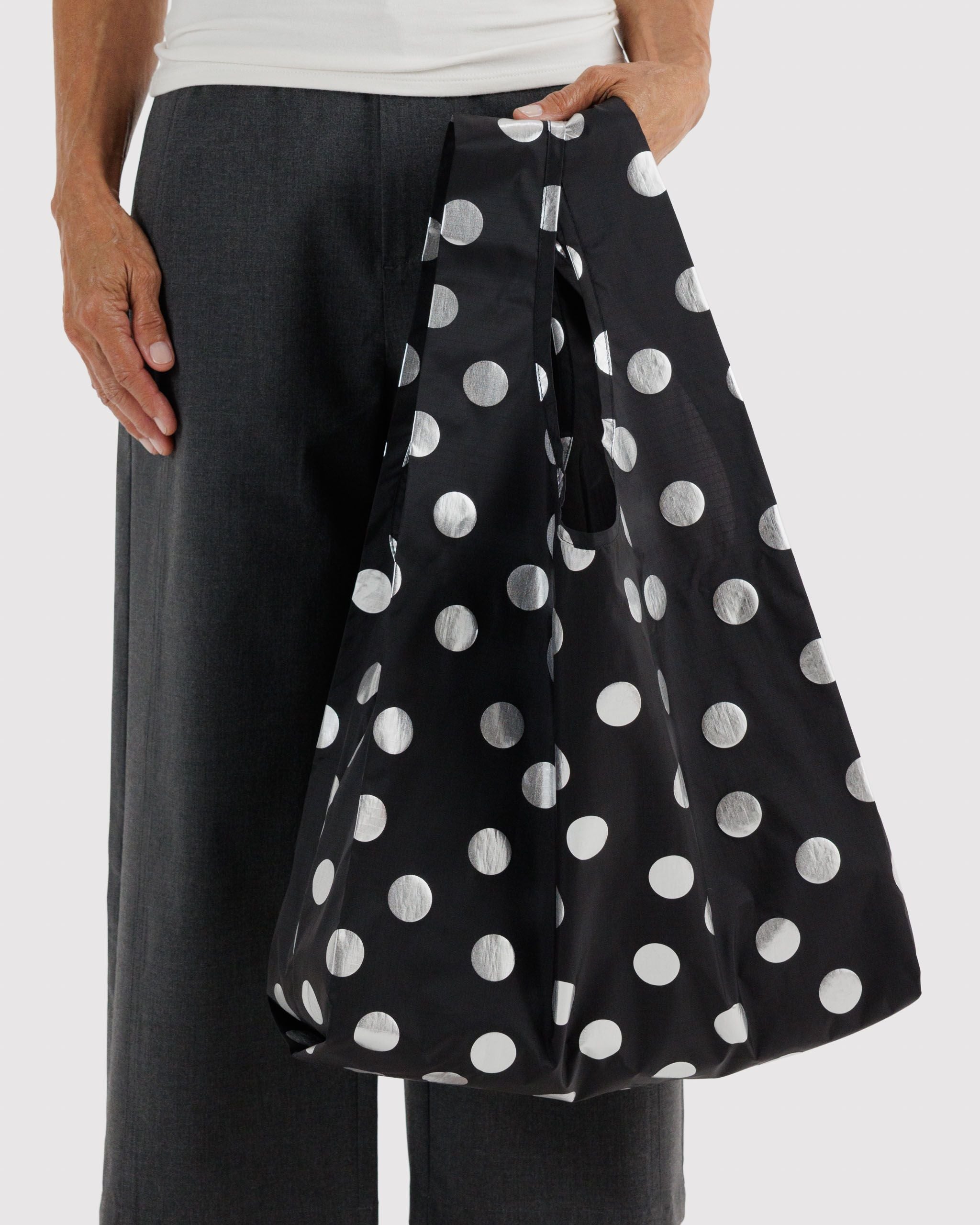
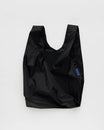
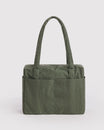
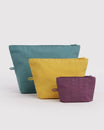
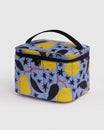
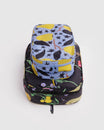
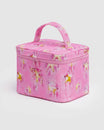
For example, BAGGU's reusable shopping bags are made from recycled nylon, while many of their canvas styles use recycled cotton. Rather than making broad claims, they openly explain why certain materials are used, where recycled content is possible, and where durability still requires a blend of recycled and virgin fibres.
For us, that's a good sign.
It's less about perfection and more about transparency.

2. Look for brands that explain their choices
One of the biggest green flags is when a brand is willing to explain not just what they're doing, but why.
If a company says something is sustainable, can they back it up with specifics?
Do they explain their materials, production processes or certifications?
Can you understand what they're trying to improve?
The brands we gravitate towards tend to be the ones that communicate clearly rather than making sweeping claims.
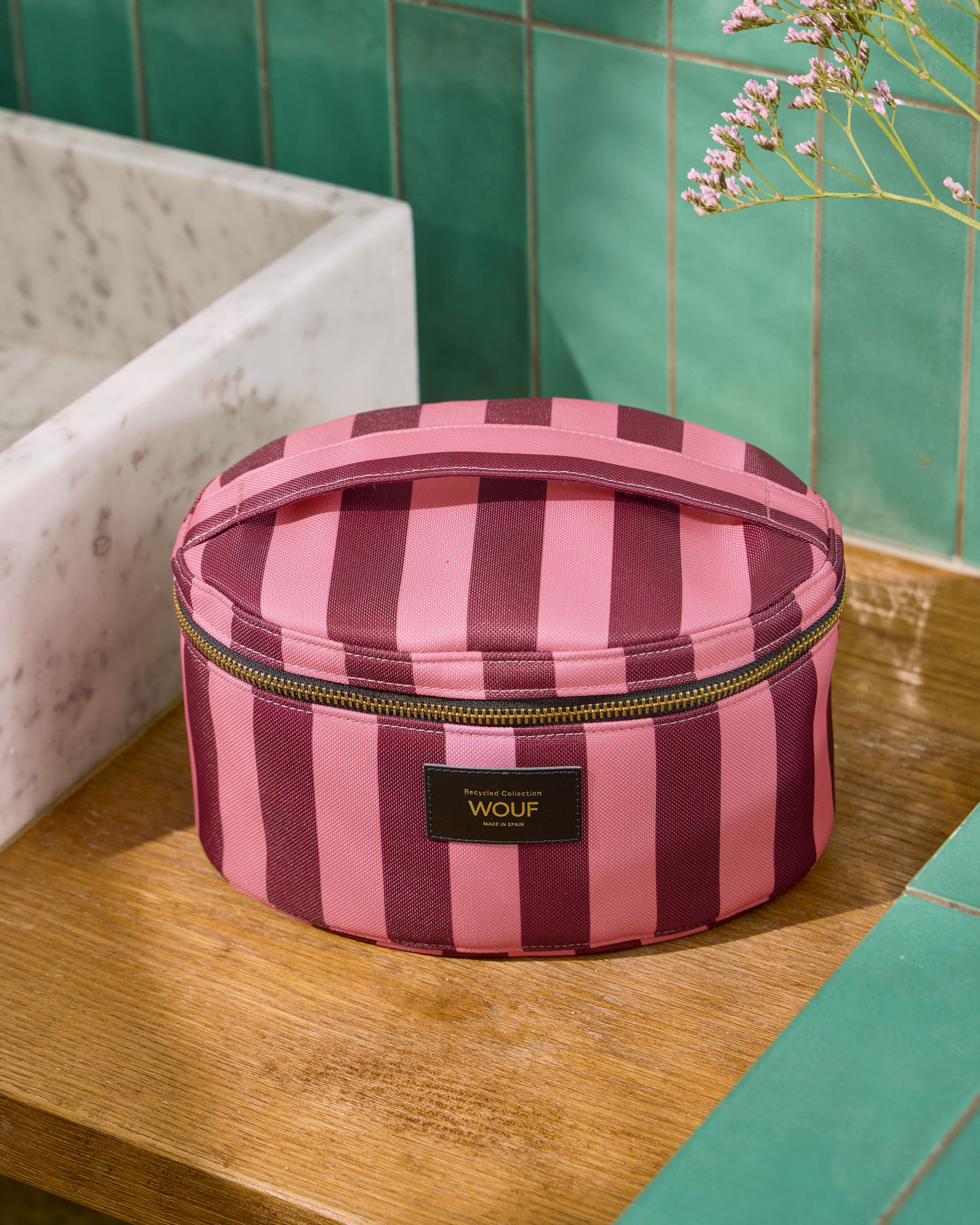
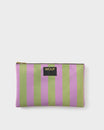
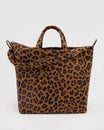
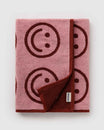
Take WOUF and LOQI for example. Both brands share detailed information about how their products are made, from recycled materials and packaging choices to independent certifications.
WOUF uses standards such as GRS (Global Recycled Standard), which verifies recycled content, and GOTS (Global Organic Textile Standard), one of the leading certifications for organic fibres.
LOQI's products are OEKO-TEX® certified, meaning they've been tested for harmful substances.
Looking for this level of transparency makes it much easier to understand what's actually behind a brand's claims, and decide which factors matter most to you.

3. Consider how long you'll actually use it
This is probably the most overlooked factor.
A well-made accessory that gets used every week for years is often a better purchase than something cheaper that quickly falls apart or gets forgotten.
Before buying, it’s worth asking yourself:
Will I still want to use this in a year's time?
That's one reason Keep + Kind leans towards pieces with a strong design identity rather than fast-moving trends. Good design tends to stay relevant for longer.
4. Quality matters more than quantity
We're encouraged to think about buying "better", but what does that actually mean?
For us, it's looking closely at construction, materials, durability and functionality.
Will the zip hold up?
Does the fabric feel robust?
Has the product been designed to survive everyday life?
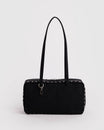
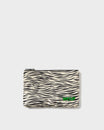
Brands like Gaston Luga focus heavily on this balance, creating bags that are practical enough for daily use while still feeling considered and well designed.

5. Support brands with a clear point of view
One thing we love about many of the brands we stock is that they're not trying to be everything to everyone.
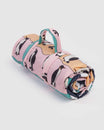
LOQI, for example, works closely with artists, museums and cultural institutions, supporting creative communities while making art part of everyday life.
That doesn't automatically make a product sustainable.
But supporting brands with a clear purpose, thoughtful partnerships and a long-term vision is something that’s high on our list of values.

6. Don't get distracted by perfect marketing
This might sound strange coming from a retail business, but we think it's important.
The most polished sustainability message isn't always the most trustworthy one.
Sometimes the brands doing the most meaningful work are also the ones openly talking about what they haven't solved yet.
We always trust honesty over perfection.

7. Progress matters
If there's one thing we’ve learned, it's that conscious shopping isn't about getting everything right.
It's about making thoughtful decisions where you can.
Choosing a reusable bag you'll use hundreds of times.
Investing in an accessory that's designed to last.
Supporting brands that are trying to move things forward, even if they haven't got all the answers.
Small decisions might not feel revolutionary, but they add up over time.

So if you're wondering how to choose sustainable accessories, our advice is simple: look beyond the label.
Pay attention to materials. Ask questions. Look for quality. Value transparency.
And most importantly, choose things you'll genuinely use and enjoy. They’re usually the ones that earns a permanent place in your life.


Leave a comment
All comments are moderated before being published.
This site is protected by hCaptcha and the hCaptcha Privacy Policy and Terms of Service apply.